Is Your Gaylord Roof Ready for a Northern Michigan Winter? What to Check Before the Snow Arrives
Is Your Gaylord Roof Ready for a Northern Michigan Winter? What to Check Before the Snow Arrives
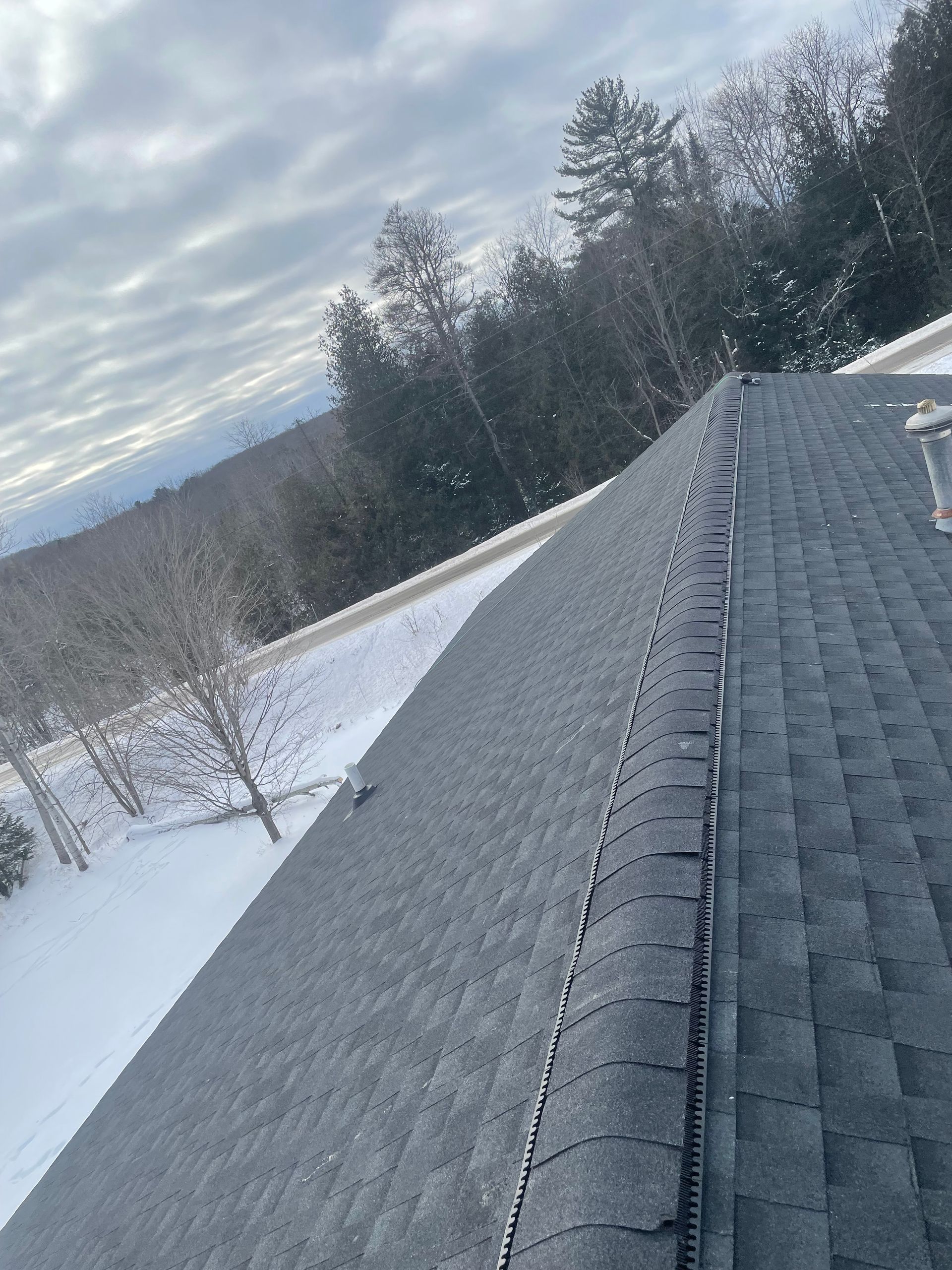
Gaylord sits at roughly 1,300 feet elevation in Otsego County, which puts it in one of the snowiest pockets of the Lower Peninsula. The lake effect off Lake Michigan and Little Traverse Bay does not discriminate by neighborhood. By January, many Gaylord roofs are carrying significant snow load, and by February the freeze-thaw cycle that produces ice dams is well underway. A residential roof that was handling things adequately in October can be actively failing by March if the underlying conditions were already marginal going into winter.
The window to address those conditions is right now, before the snow locks everything in. A roof inspection and any necessary repairs done in fall cost a fraction of what emergency repairs cost mid-winter, and they prevent the interior water damage that ice dams and failed flashing produce when problems go unaddressed through a Northern Michigan season.
What Northern Michigan Winter Actually Does to a Residential Roof
Snow load is the most visible stress. Gaylord regularly sees 150 to 200 inches of snowfall annually, and a saturated snowpack is significantly heavier than fresh snow. Most residential roof structures are engineered for the loads typical in their region, but a roof with existing decking weakness, compromised rafters, or significant prior water damage is carrying that load on a compromised foundation.
Ice dams are the more insidious problem. They form when heat escaping from the living space warms the upper roof deck, melts the snow above it, and the meltwater runs down and refreezes at the cold eave overhang where no heat is escaping below. The ice builds up, backs water under the shingles, and sends it into the wall cavity or ceiling below. The damage shows up inside the home, often at exterior walls or around window frames, well after the dam has been sitting for weeks. By the time a homeowner sees the stain, the insulation and structural members behind the wall may already be saturated.
Flashing failures compound in winter. Thermal expansion and contraction through daily freeze-thaw cycles works sealant loose at chimney bases, pipe boots, and skylight perimeters. A flashing seal that held through summer and fall can open up enough to allow infiltration under the sustained stress of a Gaylord winter. The leak that shows up in January often traces back to a flashing condition that was borderline in October.
Signs Your Gaylord Roof Needs Attention Before Winter
Granule loss visible in gutters or at downspout splash points indicates shingles that have lost significant UV and impact protection. If the granules are going, the shingle surface below is exposed. That is a roof that will age dramatically faster through another Northern Michigan winter than it should.
Shingles that are curling at the edges or showing cracks and brittleness are past the point where they provide reliable weather protection. Cold temperatures make brittle shingles worse. A shingle that is marginally functional in October can crack under snow load or ice formation by December.
Visible daylight around any penetration, sagging sections in the roof line, or soft spots detectable from the attic side are immediate concerns that should not go into winter unaddressed. Any of these conditions will worsen under snow load and freeze-thaw stress.
Inside the attic, staining on the decking or insulation that has shifted away from the eaves is worth noting. Displaced insulation at the soffit area blocks the intake ventilation that prevents ice dam formation. Getting that corrected before the snow season is one of the more practical preventative steps available.
What a Pre-Winter Roof Inspection Covers
Alpine Brothers provides residential roofing inspections for Gaylord homeowners that cover the full roof surface, all flashing at penetrations and transitions, ridge cap condition, soffit and fascia, gutter attachment and drainage, and the attic space for ventilation and moisture indicators. The inspection produces a clear picture of what is in good shape, what needs attention before winter, and what can be monitored versus what cannot wait.
If roof repair is needed, fall timing allows the work to be done under workable conditions with proper adhesion temperatures for shingles and sealants. Repairs done in winter require material and method adjustments that add cost and complexity. Doing it now is almost always simpler and less expensive than doing it in January under pressure.
For roofs that are approaching end of life, fall is also the right time to have the roof replacement conversation. Going into another Gaylord winter on a roof that is already at the edge of its useful life is a gamble that often pays out in emergency calls and interior water damage.
Ice Dam Removal When Prevention Is Not Enough
When ice dams do form, removal done incorrectly causes more damage than the dam itself. Chipping at ice with sharp tools on a frozen roof surface damages shingles and can create new entry points. Alpine Brothers offers professional ice dam removal for Gaylord homeowners dealing with active dam situations. Steam removal is the method that clears the dam without the shingle damage that mechanical removal produces.
Ice dam removal is a treatment, not a solution. The underlying condition, inadequate ventilation or insulation at the attic floor, is what allows them to form. Addressing that during the warmer months prevents the recurrence that makes ice dam removal a recurring winter expense.
Why Gaylord Homeowners Work With Alpine Brothers
Alpine Brothers is a locally owned, owner-operated company based in Gaylord. Eric and Brandon have deep roots in the Northern Michigan construction community and have been working residential roofing in Otsego County and surrounding areas for years. Every project has an owner on site. That is not a marketing claim — it is how the business runs. Materials come from proven brands including Atlas, CertainTeed, and Brava, backed by manufacturer warranties appropriate for the Northern Michigan climate. Financing through Hearth is available for homeowners managing larger project costs. The company is BBB accredited and holds the Atlas PRO+ Gold Level certification.
Schedule a Pre-Winter Roof Inspection in Gaylord
Do not find out what your roof's condition is from a ceiling stain in February. Contact Alpine Brothers to schedule a pre-winter residential roofing inspection in Gaylord before snow season locks the schedule. Call (989) 619-9484 to speak with Eric or Brandon directly.
Frequently Asked Questions From Gaylord Homeowners About Winter Roofing
How much snow load can a residential roof handle in Gaylord?
Most residential roofs in Michigan are designed to handle 40 to 50 pounds per square foot of snow load. Wet, dense snowpack can reach 20 pounds per cubic foot, so even 24 inches of wet snow approaches design limits on some structures. Roofs with existing structural weakness or decking damage are at greater risk. A pre-winter inspection identifies conditions that increase vulnerability before the load season begins.
What causes ice dams on Gaylord roofs?
Ice dams form when heat escaping from the living space through the attic warms the upper roof deck and melts snow. The meltwater runs down and refreezes at the cold eave overhang. The root cause is almost always inadequate attic insulation or ventilation that allows heat to escape unevenly. Addressing those conditions prevents recurrence more effectively than any surface treatment.
Is fall a good time to replace a roof in Northern Michigan?
Yes. Fall is one of the better windows for roof replacement in Northern Michigan. Temperatures are still within the range that allows proper shingle adhesion and sealant curing, and completing the replacement before snow season eliminates the risk of going into winter on a deteriorating roof. Alpine Brothers prioritizes pre-winter scheduling for homeowners in this situation.
How do I know if my Gaylord roof has enough ventilation to prevent ice dams?
Signs of inadequate ventilation include ice dams forming during most winters, an attic that feels significantly warmer than outside air temperature in cold weather, and frost accumulation on attic decking or framing. A professional inspection of the attic space, including intake and exhaust vent assessment, gives you a definitive answer and specific recommendations.
What should I do if I notice a leak during a Northern Michigan winter?
Contain the interior damage first with buckets or towels, then call Alpine Brothers at (989) 619-9484. Emergency service is available 24/7. Do not attempt to get on the roof in winter conditions to investigate. Emergency tarping can protect the affected area until proper repair conditions allow permanent work to be completed safely.
Does Alpine Brothers offer financing for roof repairs or replacements?
Yes. Alpine Brothers offers financing through Hearth for qualifying residential roofing projects. Financing options cover both repairs and full replacements. Ask about current terms when you schedule your free estimate.
You might also like
Spring Storms and Roof Damage: Signs You Need an Inspection